Mave B2B Chat & Cashflow Platform
A unified SaaS platform merging secure real-time business communication with automatic cashflow intelligence — eliminating the three-tool problem for accounting firms in a single 8-week build.

Two complex engineering domains. One unified platform.
Accounting firms were juggling three separate tools — a chat platform, a document manager, and spreadsheet-based cashflow tracking. Mave replaces all three with a single, integrated SaaS product.
How Mave works: When an accountant types “Invoice #204 has been paid — £1,200” in a Mave chat thread, the NLP engine detects the transaction type, amount, and counterparty, and automatically creates a cashflow entry — with the original message linked as the source document. Zero manual data entry. Zero context switching.
Mave was built for Venuganan Jegathas, founder of an accounting-focused SaaS startup, who identified a specific workflow pain in accounting firms: important financial information was being communicated informally over WhatsApp or email, then manually re-entered into spreadsheets or accounting software hours or days later. The delay created cashflow visibility gaps and the re-entry created errors.
NextGen Innovations built Mave from the ground up in 8 weeks: a real-time multi-tenant chat platform with WebSocket-based messaging under 200ms, a custom NLP engine that extracts financial intent from natural language, and an integrated cashflow dashboard where every entry is traceable to its source message and document.
The system is deployed as a true multi-tenant SaaS product — each accounting firm operates in complete data isolation enforced at the PostgreSQL row-level security layer, while Mave’s operator manages the entire infrastructure from a single deployment.
Chat and FinTech are two completely different engineering problems.
Real-time messaging requires low-latency stateful connections. Financial data processing demands accuracy, auditability, and strict data isolation. Building both simultaneously in 8 weeks required tight architectural decisions from day one.
NLP Detection from Freeform Text
Accountants do not type structured data — they type conversationally. The engine needed to detect financial intent from unstructured, natural language text with high accuracy and no training lag.
Sub-300ms Message Delivery
Chat applications fail if messages feel delayed. Business users operating in high-stakes client conversations expect instant delivery — any perceived latency erodes trust in the platform.
Multi-Tenant Data Isolation
A SaaS product serving multiple accounting firms means a data breach between tenants — one firm seeing another’s financial data — is a business-ending failure. Isolation had to be enforced at the database layer, not just at the application layer.
Complete Document Traceability
Every cashflow entry needed a verified audit trail: which message triggered it, who sent that message, which document was attached, and which team member processed it — for financial compliance purposes.
Smart Payment Alert Engine
The platform needed to proactively surface upcoming invoice due dates and payment anomalies to the right team member in-app — without becoming a noisy notification system that users disable within a week.
2-Month Delivery Window
The founder had a committed investor milestone tied to a working product demo at week 8. The architecture needed to be correctly scoped from day one — no exploratory detours, no mid-sprint replanning.
Built at the intersection of two distinct engineering domains.
Real-time communication engineering and financial data processing require fundamentally different architecture decisions. Mave required both, simultaneously, with no shortcuts on either side.
Custom NLP Cashflow Detection Engine
A custom NLP pipeline runs Named Entity Recognition, intent classification, and financial pattern matching on every message posted in a business thread. The engine identifies transaction type (payment, invoice, expense, refund), extracts amounts, dates, and counterparty names, and flags the message for cashflow processing — all in under 100ms per message, without a third-party ML API dependency.
WebSocket Real-Time Chat with Redis Pub/Sub
Socket.io manages persistent WebSocket connections per user session. Messages are published to Redis Pub/Sub channels partitioned by tenant workspace, allowing the platform to fan out message delivery to all active sessions in that workspace without any server-to-server polling. Average message delivery time: under 200ms end-to-end.
Row-Level Security Multi-Tenancy
Every table in PostgreSQL carrying tenant-scoped data has Row-Level Security policies enforced at the database engine. Even if a bug in the application layer passes the wrong tenant context, the database silently returns zero rows for that tenant’s data — another firm’s records are unreachable at any application code path.
Contextual Document Management with Auto-Tagging
Documents attached in chat threads are stored in AWS S3 with metadata auto-extracted at upload time — document type, amounts detected, sender, and upload timestamp. Cashflow entries created from messages link directly to their source documents, providing a full audit trail that meets financial compliance requirements.
Transaction-Aware Alert Engine
The alert engine analyses the cashflow ledger nightly, identifying upcoming invoice due dates within configurable windows, overdue invoices, and payment receipt anomalies. Alerts are delivered in-app to the specific team member owning each client — not as broadcast notifications to all users, which eliminates alert fatigue.
Unified API Serving Web and Mobile from One Codebase
A single Spring Boot REST API and WebSocket server serves the React 18 web application and React Native mobile app identically. Chat history, cashflow dashboards, document libraries, and alert feeds all load from the same endpoints — eliminating any platform-specific data inconsistencies.
Java and Node.js working together. Two runtimes, one coherent system.
Java Spring Boot handles the financial data processing that demands transactional rigour. Node.js handles the real-time communication that demands concurrency. Each runtime does what it is best suited for.
Web application — chat interface, cashflow dashboard, document library, and alert management. Shared component library with React Native for design consistency across platforms.
iOS and Android mobile app with full feature parity: real-time chat, cashflow entries, document uploads, and push alerts. The same Socket.io WebSocket integration as the web app.
Shared type definitions across all three clients and the backend API. Chat message schemas, cashflow entry types, and document metadata types are defined once and shared everywhere.
Core business logic API: cashflow management, user authentication, document metadata, multi-tenant data access, and the alert generation service. Java’s transactional guarantees are essential for financial data integrity.
The real-time messaging layer. Spring WebSocket manages the connection lifecycle and session tracking. Socket.io delivers bidirectional events to connected clients. Redis Pub/Sub decouples the message delivery from the sending server.
Java-based NLP engine with custom Named Entity Recognition models trained on financial domain language. Runs as a service within the Spring Boot application — no external ML API calls, no external latency.
Primary data store for all financial and chat data. RLS policies enforce tenant isolation at the database engine — not just at the application layer. Transactions ensure cashflow entries and their source messages are always consistent.
Message fanout for real-time chat delivery. When a user sends a message, it is published to a Redis channel for that workspace. All connected sessions for that workspace receive the message instantly, regardless of which server they are connected to.
Document storage on S3 with signed URLs for secure, time-limited access. Application servers on EC2 containerised with Docker. Infrastructure is provisioned and managed with configuration-as-code for reproducible deployments.
5 specialists. 8 weeks. Two engineering domains.
Every role was tightly scoped. No one was learning on the job. The team had deep prior experience in their respective domains — real-time systems, financial data engineering, and React Native — before Mave started.
Sprint planning, milestone tracking, and daily stakeholder alignment with the founder. Managed the 8-week delivery timeline with weekly production demos baked into the schedule from week one.
Information architecture for the chat-cashflow integration — the critical design challenge of making two distinct product surfaces feel like a single coherent experience. Figma component library shared with both frontend engineers.
Spring Boot API, PostgreSQL schema and RLS policies, custom NLP pipeline, WebSocket server, Redis Pub/Sub integration, alert engine, and AWS infrastructure. Primary technical decision-maker for the financial data layer.
React 18 web application, React Native iOS and Android app, Socket.io client integration, shared component library, cashflow and document UI, and all user-facing NLP detection feedback.
End-to-end test coverage across web and mobile: real-time message delivery reliability tests, NLP detection accuracy validation across 200+ test cases, multi-tenant isolation verification, and full regression suite before each weekly demo.
What Mave delivered for accounting firms.
Mave didn’t just replace three tools — it fundamentally changed how accounting teams operate. Every metric below reflects a real change in how people work, not just a technical achievement.
Manual cashflow entries — NLP detects and logs automatically
From first commit to production deployment
Message delivery — chat messages arrive in real time
Tools replaced: chat app, document manager, spreadsheets
Automatic transaction detection accuracy on structured messages
Row-level security — firm data isolated at the database engine
Accountants no longer leave the chat interface to log transactions. Mave detects the financial content of a message and creates the cashflow entry automatically — the conversation continues without interruption.
Every transaction communicated in Mave is captured, categorised, and logged to the cashflow ledger without any manual intervention. Amounts, dates, counterparties, and document references are extracted and stored automatically.
The founder had an investor milestone at week 8. Mave was in production with all core features — multi-tenant chat, NLP cashflow detection, document management, and mobile apps — exactly on schedule.
Row-level security on PostgreSQL means tenant data isolation is enforced at the database engine. No application-level permission check failure can ever expose one firm’s data to another. Financial compliance requirements are met at the architecture level.
Mave’s multi-tenant architecture means adding a new accounting firm is a configuration step, not an infrastructure operation. The platform scales horizontally without any per-tenant infrastructure provisioning.
“Working with NextGen Innovations was a game-changer for Mave. They brought our vision to life with precision and professionalism. Their expertise, responsiveness, and commitment to quality made the entire process seamless. We couldn’t be happier with the outcome!”
Where real-time communication meets financial intelligence.
Mave required NextGen Innovations to build at the intersection of two completely different engineering domains — real-time communication systems and financial data processing — simultaneously, within an 8-week window, without compromising on either.
The result is a platform that doesn’t just combine chat and cashflow — it makes financial tracking a natural byproduct of the conversations accounting teams are already having. Every transaction communicated in Mave is captured, categorised, and stored without any manual process.
More Work We Are Proud Of
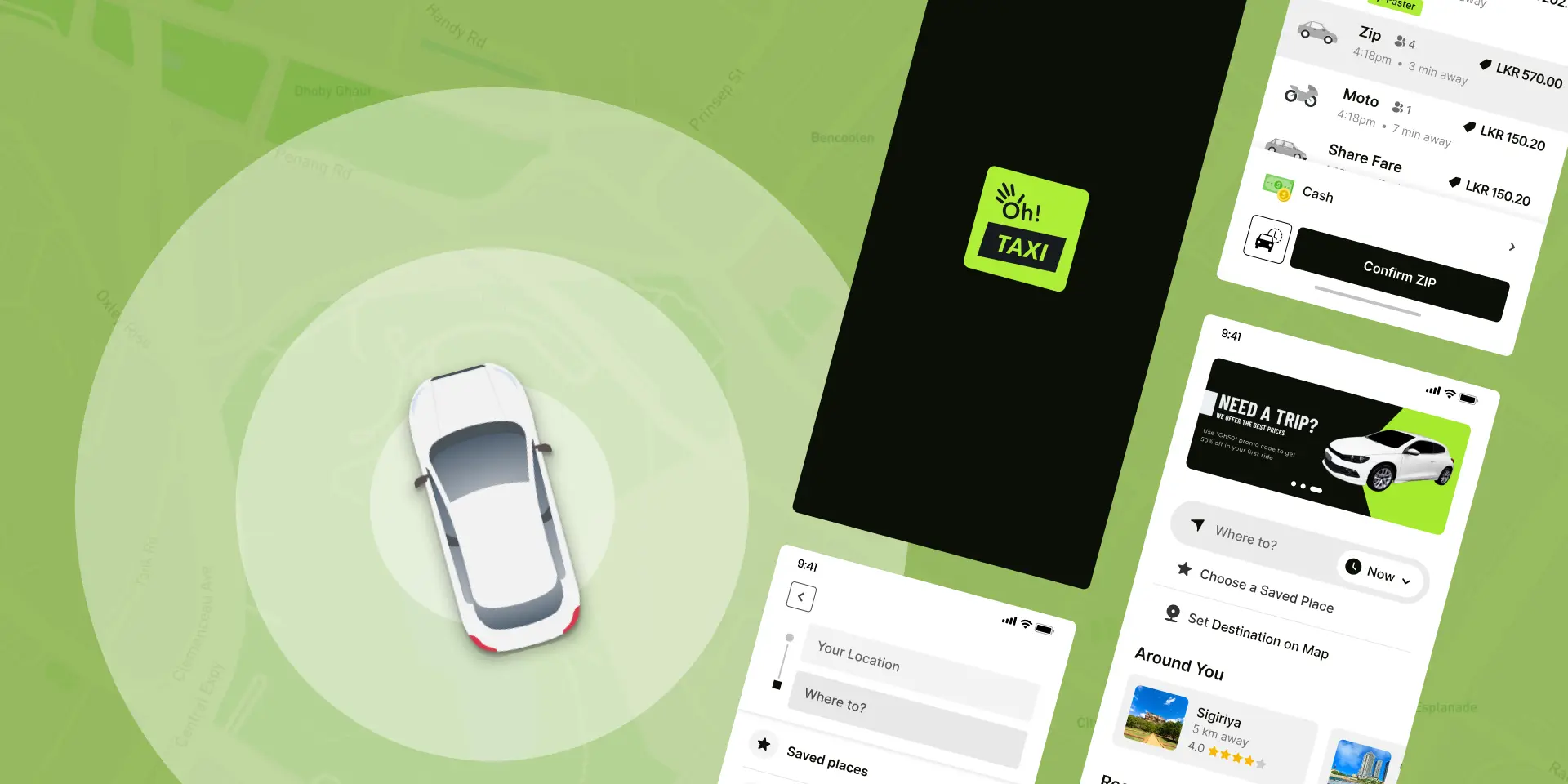
Oh! Ride — SaaS Ride-Hailing Platform
Sri Lanka’s first zero-commission ride-hailing platform. 8 microservices, ML dynamic pricing, live 2+ years with zero major outages.
Read Case Study →
Servicemate — On-Demand Service Finder
Mobile-first service marketplace — iOS, Android, and web admin — with real-time booking and live job tracking. Built in 3 months.
Read Case Study →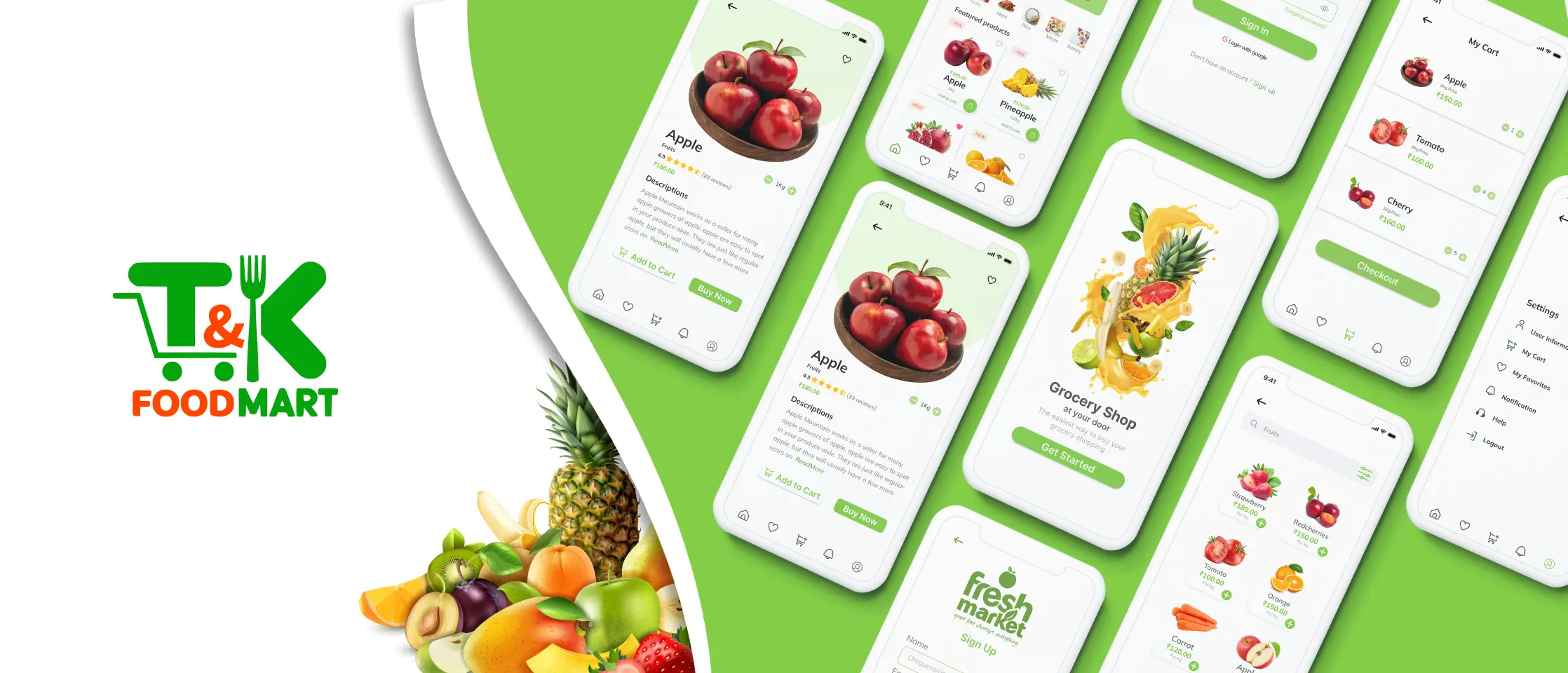
T & K — Cross-Platform E-Commerce
One codebase, three platforms — web, iOS, Android. Real-time inventory, dual-gateway payments, personalised recommendations. Built in 2 months.
Read Case Study →Ready to build something exceptional?
Every project we take on is treated as if it were our own business. If you have an idea, a problem, or a deadline — let’s talk.